Kiwi Park - Making conservation education accessible
July 2026
Since opening in 1986, Kiwi Park Queenstown has transformed an unofficial rubbish dump into a thriving wildlife sanctuary, with conservation extending beyond caring for native species to helping people understand why wildlife matters.
Through complimentary visits for local schools and kindergartens, children can experience New Zealand’s native wildlife first-hand, learn about the conservation work behind it and feel inspired to help protect it.
“We wanted to remove financial barriers and ensure every child in the Queenstown Lakes District had the opportunity to learn about New Zealand’s unique native wildlife. They are the future of New Zealand, and we need them to help us protect this super special place”
Making that happen takes commitment. Providing complimentary visits is a practical and financial investment, requiring staff time, planning and care, but Kiwi Park sees it as an important part of its conservation work and a meaningful way to support learning in the local community and inspire the next generation of conservation advocates.
Opening the door to conservation education
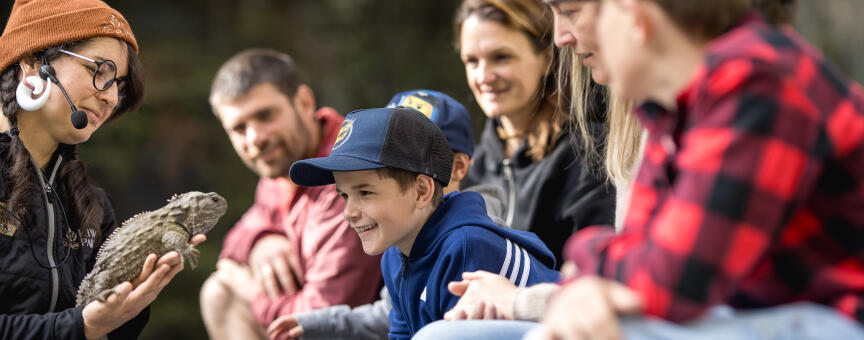
Each school visit is designed to turn conservation from an idea into something students can see, hear and experience. Groups take part in Kiwi Park’s Conservation Show and Kiwi Encounter, where they learn about threatened species, predator control and the park’s breed-to-release conservation programmes.
Storytelling is central to the experience. Through up-close wildlife encounters and stories of conservation in action, students are encouraged to understand both the uniqueness of New Zealand’s biodiversity and the challenges it faces. Rather than learning about conservation only in the classroom, students can connect those stories to real animals, real habitats and real conservation work happening in their own region.
The programme is now a regular part of Kiwi Park’s education work, welcoming an average of three school groups each month and up to eight in busier months, as well as ongoing kindergarten visits throughout the year.
Bringing conservation to life
The team measures the programme’s success through repeat bookings, continued participation and positive feedback from teachers, students and families. The initiative has also strengthened relationships with local schools and increased awareness of Kiwi Park’s conservation work, with many students returning to the park with their families.
Some of the most important outcomes are harder to measure. By helping young people understand the stories behind New Zealand’s threatened wildlife, Kiwi Park is creating early connections with nature and building a deeper appreciation of why conservation matters.
“Perhaps the greatest benefit is creating future conservation advocates. As a family run business, we feel it’s only right to do our part to do this.”
Looking ahead, Kiwi Park is exploring the development of age-specific educational resources that teachers can use before, during and after visits. These resources would help deepen learning outcomes, strengthen conservation knowledge and create even greater value for participating schools.
As part of this ongoing conservation work, and like many organisations caring for wildlife, Kiwi Park is closely monitoring the evolving Highly Pathogenic Avian Influenza (HPAI) situation in New Zealand. The emergence of HPAI has provided an opportunity to review and strengthen current biosecurity practices, while continuing its important conservation and education work. Kiwi Park’s focus remains on protecting the species in its care and ensuring visitors can continue to connect with New Zealand’s unique wildlife in a safe environment.
Creating lasting impact
Kiwi Park’s experience shows that sustainability is not always about large infrastructure projects or new technology. Meaningful impact can begin by identifying where a business can use what it already has — its place, people, knowledge and visitor experience — to create wider community benefit and inspire long-term care for the natural environment.
By opening its gates to local schools and kindergartens, Kiwi Park is helping build the next generation of New Zealanders who value, understand and care for the natural environment.
Inspired by this approach?
Kiwi Park shows how uncovering and sharing nature’s stories can inspire visitors to value, care for and protect what makes Aotearoa unique. Akiaki: Advancing Tourism’s Storytelling for Nature course helps tourism businesses uncover and share the stories that inspire visitors to value, care for and protect the places they experience.
Akiaki courses are free to all TIA members and their staff. Visit akiaki.nz to learn more and register.