Christchurch Casino - Electrifying the Heart of the Operation
Febuary 2026
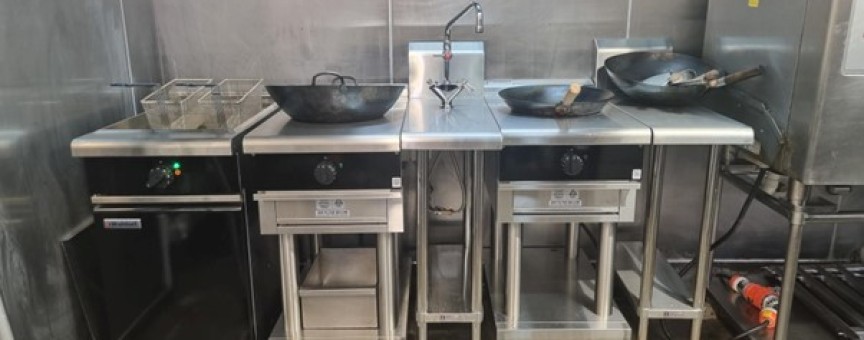
In 2025, Christchurch Casino took a bold step to reduce carbon emissions: it fully electrified all gas‑fuelled appliances in its three commercial kitchens and laundry. What began as a sustainability initiative quickly became a commercially sensible investment, demonstrating how forward‑thinking infrastructure decisions make good business sense and can transform everyday operations.
Why Electrify? Recognising a Changing Energy Landscape
For Christchurch Casino, the motivation was clear. The hospitality industry relies heavily on energy‑intensive kitchen operations, and the Casino saw a strategic opportunity to decarbonise its kitchens by phasing out LPG in favour of electricity generated from renewable sources. With LPG becoming more expensive due to predicted supply constraints, the transition was both an environmental and financial imperative.
The project focused on replacing all gas‑powered cooking equipment as well as the commercial dryers in the onsite laundry. By addressing these appliances, the Casino could meaningfully reduce its Scope 1 emissions and future‑proof its operations.
Planning the Transition: Engagement and Collaboration
From the outset, Christchurch Casino understood that organisational buy‑in would make or break the project. The sustainability team involved key stakeholders early, including Food & Beverage managers, kitchen leadership, housekeeping, and the Executive team. This early collaboration led to strong support for the business case presented to the Board.
One of the most important parts of the process was hands‑on engagement with the kitchen team. Working with Southern Hospitality and Moffat, the Casino arranged an equipment demonstration at Moffat’s Christchurch showroom. Chefs trialled induction and electric appliances, cooking dishes typical of the Casino’s menus. This practical session dispelled concerns, helped build confidence, and ensured everyone understood the benefits and performance of modern electric equipment.
Replacement of the laundry dryers was a straightforward like‑for‑like swap, and retired gas appliances were sent to auction so they could be reused elsewhere — a circular economy bonus to the project.
Implementation and Completion
Installation took place in stages throughout July 2026. Just days later, the Casino completed the transition by capping and disconnecting its reticulated gas line — a symbolic and operational milestone marking the end of its reliance on fossil fuel for kitchen operations.
Notably, the project was delivered on time and on budget, aided by the “positive and can‑do attitudes” across the teams involved.
Measuring Impact: A Significant Emissions Reduction
As a certified Carbon Conscious organisation through Ekos Kāmahi, Christchurch Casino measures its emissions annually.
Electrification is projected to reduce the Casino’s carbon footprint by 95 tCO₂e per year, cutting its Scope 1 emissions by 80% and removing 41% of their total market-based emissions in the year ending 31 March 2025. That reduction is made even more meaningful by the fact that the Casino purchases Meridian’s certified renewable electricity, ensuring alignment with New Zealand’s clean generation sources.
The new equipment is also 30–50% more thermally efficient than gas appliances, improving overall energy efficiency in the kitchens.
Unexpected Wins and Long‑Term Benefits
Alongside the expected carbon and energy reductions, the Casino discovered several valuable unexpected benefits:
- Strong staff acceptance — despite the long‑held belief that chefs resist moving away from gas, feedback was minimal and largely positive.
- Comparable upfront costs — electric equipment was on par with gas alternatives, reducing financial barriers.
- Reduced insurance risk — eliminating LPG improved the facility’s risk rating.
- Improved health & safety — fewer combustion hazards, lower heat loads, and safer evacuation conditions.
- Lower maintenance costs — aging gas equipment had been increasingly costly to service.
The Casino also anticipates lower ventilation energy demand over time, thanks to reduced heat output from electric appliances — another operational saving that will add up year after year.
Looking Ahead: Inspiring Further Sustainable Innovation
Perhaps the most notable outcome is cultural. What began as a sustainability initiative evolved into a commercially compelling project that gained broad organisational support. The success of the electrification programme has already encouraged Christchurch Casino’s operational teams to consider other sustainability opportunities.
As the Casino team put it: “Good business is good business.” This project demonstrates how tourism businesses can integrate decarbonisation into their operations in a pragmatic, financially sensible, and collaborative way.
A Call to Others in Aotearoa’s Tourism Sector
Christchurch Casino’s journey shows that large, energy‑intensive hospitality operations can electrify successfully — and that doing so brings benefits far beyond emissions reduction.
For operators wondering where to start, the Casino’s experience offers these lessons:
- Engage your teams early and often.
- Let staff touch, test, and trial new technology.
- Build the commercial case alongside the sustainability one.
- Celebrate the unexpected advantages — because there will be many.
This case study shows what’s possible when environmental responsibility aligns with operational efficiency. As more tourism businesses explore electrification, Christchurch Casino’s project provides a compelling blueprint for a low‑emissions, resilient future.
Visit their website for further information.